

Best ChatGPT Prompts for Digital Product Sellers, From Ideas to Sales
If you sell digital products, bad prompts can waste an entire afternoon. Good ones can help you find ideas, write sharper copy, and clean up messy launch plans in minutes.
That doesn’t mean ChatGPT can run your business for you. It means it can take the blank page, the rough draft, and the repeated support question off your plate.
The trick is asking for the right thing, in the right way. Once you do that, the tool stops feeling random and starts feeling useful.
Why better prompts lead to better digital product sales
When you sell ebooks, templates, printables, courses, or memberships, clarity matters. Your buyer needs to understand what you’re selling, why it helps, and why it’s worth paying for.
Your prompts shape that clarity. A weak prompt gets you generic ideas and fluffy copy. A strong prompt gives you sharper angles, cleaner language, and fewer edits. Think of it like giving directions. “Take me somewhere nice” is vague. “Take me to a quiet coffee shop within ten minutes” gets you closer fast.
What ChatGPT can actually help you do
ChatGPT is useful for the work around the product, not only the product itself. You can use it to brainstorm offers, name products, outline lessons, write sales pages, draft launch emails, and answer common buyer questions.
A strong starter prompt sounds like this: “You are helping me sell a digital product to [audience]. Give me 10 product ideas that solve small but urgent problems, and suggest the best format for each, such as a checklist, template, mini-course, or workbook.”
That prompt gives the model a job, an audience, and an output format. That’s why it works better.

Where weak prompts waste your time
Vague prompts create vague selling. If you type “write product copy for my template,” you’ll probably get bland lines that could fit any shop on the internet.
Then you edit. Then you rewrite. Then you wonder why the page still feels flat.
A better version is: “Write product copy for a Canva Instagram template pack made for busy real estate agents. Focus on time savings, easy customization, and polished branding. Keep the tone clear and friendly.” Now the output has a buyer, a benefit, and a voice.
The best ChatGPT prompts to create and improve your product ideas
Before you write a sales page, you need an offer people want. This is where prompts can save you from building something pretty that nobody buys.
Prompts for finding product ideas your audience actually wants
Start with pain points, not product formats. People don’t wake up wanting a worksheet. They want a faster result, less stress, or a simpler way to do something.
Use prompts like: “List 15 common frustrations [audience] has when trying to [goal]. Rank them by urgency, and suggest a low-priced digital product for each one.”
You can also ask: “What questions does [audience] keep asking before they feel ready to buy or start? Turn those questions into product ideas.” That works well if you already know your niche but need sharper offer angles.
Prompts for shaping a rough idea into a stronger offer
Maybe you already have a loose idea, but it still feels fuzzy. That’s normal. Most product ideas start as a pile of thoughts, not a clean offer.
Ask: “Help me turn this idea into a product people can understand fast. My idea is [idea]. Suggest the best format, the main promise, what to include, what to cut, and who it’s best for.”
Then go one step further. Ask ChatGPT to tighten the promise: “Rewrite this offer so the result is clear in one sentence, without hype.” If a buyer can’t explain your product in ten seconds, it’s still too muddy.
Prompts for naming your digital product in a clearer, more clickable way
A good product name doesn’t need to sound clever. It needs to make sense. Too many names feel cute but hide the benefit.
Try this: “Give me 20 names for a digital product for [audience] that helps them [result]. Keep the names short, clear, and benefit-led. Avoid spammy or exaggerated words.”
You can narrow it more with: “Group the names into styles: plain and practical, slightly catchy, and premium.” That helps if you want the name to match your brand without sounding forced.
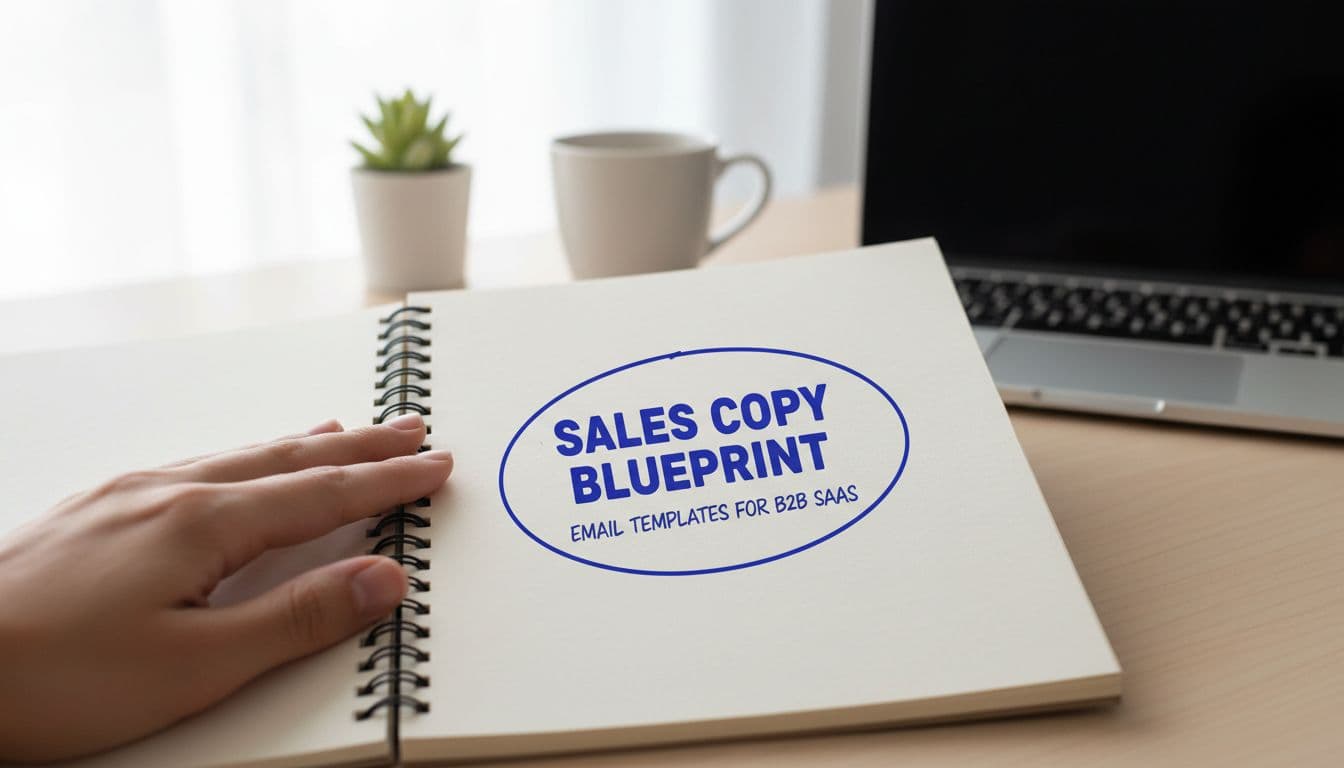
Prompts that help you write sales copy people want to read
Sales copy gets easier when you stop asking for “better writing” and ask for better decisions. You want help with structure, clarity, and benefits.
Prompts for headlines and hooks that grab attention fast
Your headline has one job. It needs to make the right person keep reading.
Use a prompt like: “Write 15 headline options for a digital product that helps [audience] get [result]. Mix direct, curiosity-based, and problem-solution styles. Keep them simple, not dramatic.”
For social captions or promo posts, ask: “Write 10 opening hooks for Instagram about , aimed at [audience]. Focus on pain points, quick wins, and common mistakes.” You’ll get more range than asking for one caption at a time.
If the prompt doesn’t name the buyer and the result, the output usually floats.
Prompts for product descriptions that explain the value clearly
Features matter, but buyers care about what those features do for them. A 40-page workbook means nothing on its own. A workbook that helps them map a launch in one afternoon, that lands.
Try: “Write a product description for . Turn each feature into a benefit. Use plain language. Keep the copy easy to scan.”
Then ask for a second layer: “Write five bullet points that explain what the buyer gets, why it helps, and when they’d use it.” That gives you product page bullets, email copy, and even Etsy listing language.
Prompts for calls to action that make the next step obvious
A weak call to action often sounds either flat or pushy. You don’t need either one. You need clarity.
Use this: “Write 12 calls to action for a digital product page. The buyer is interested but unsure. Make the next step feel easy and clear.”
You can also guide tone: “Give me CTA lines that sound confident, warm, and low-pressure.” That’s useful if “Buy now” feels too stiff for your brand.
Prompts for launching and promoting your digital products
A launch gets messy when every piece of content starts from zero. ChatGPT helps most when you build one core message, then reuse it across email, social, and blog content.

Prompts for email sequences that build interest and drive sales
Email is where a lot of digital product sales happen, especially if your offer needs context. One email rarely does the whole job.
Prompt it this way: “Create a five-email launch sequence for . Include a teaser email, value email, launch email, reminder email, and last-chance email. Keep the tone [tone] and focus on [main benefit].”
If your product sells year-round, ask for an evergreen version. Same idea, less urgency.
Prompts for social posts that match your offer and audience
Most sellers burn out because they try to invent new content every day. You don’t need more ideas. You need more angles.
Ask: “Give me 12 social post ideas to promote to [audience]. Mix education, objections, behind-the-scenes, buyer mistakes, and quick wins.” Then follow with: “Rewrite these for Instagram, X, and LinkedIn, keeping each platform’s style in mind.”
One product can support weeks of posts when the prompts are tight.
Prompts for repurposing one product into more marketing content
This is where ChatGPT earns its keep. You can turn one product idea into a whole stack of promo assets.
Use a prompt like: “Take this product summary and turn it into a blog outline, three email ideas, five social captions, and seven FAQ topics.”
You can do the same with customer pain points. Feed it one common struggle, then ask for content built around that problem. That keeps your marketing connected to what buyers already care about.
Prompts that help you support buyers and grow with less stress
Selling the product is only half the job. After the sale, buyers need clear instructions, fast answers, and fewer reasons to feel stuck.
Prompts for FAQ pages and customer support replies
Support gets easier when your answers are short, clear, and consistent. ChatGPT can help you write those faster.
Try: “Write FAQ answers for my digital product. Cover access, download issues, refunds, usage rights, and setup steps. Keep the answers friendly and direct.”
For inbox replies, use: “Draft a response to a customer who says [issue]. Acknowledge the problem, explain the fix, and keep the tone calm.” That saves time without sounding robotic.
Prompts for improving your product based on buyer feedback
Feedback can feel messy. Some comments are useful. Some are emotional. Some say the same thing in five different ways.
Use this prompt: “Review this customer feedback and group it into themes. Show repeated complaints, confusing steps, and update ideas.” That helps you spot the real pattern instead of reacting to one loud message.
Good feedback prompts don’t ask, “Was this bad?” They ask, “What keeps showing up?”
Prompts for upsells, bundles, and repeat purchases
If someone buys once, they’re telling you what problem they care about. That’s your clue for the next offer.
Prompt it like this: “Based on this product and audience, suggest three logical upsells, two bundle ideas, and one low-effort repeat-purchase offer. Explain why each fit makes sense.”
You can also ask for the messaging: “Write a post-purchase email that introduces the next best product without sounding pushy.” That works well for template shops, course creators, and membership owners.
Conclusion
The best ChatGPT prompts for digital product sellers aren’t fancy. They’re clear. They name the buyer, the result, the format, and the tone.
That’s where the good stuff starts. Then you edit, trim, and bring your own judgment to the page.
Save the prompts that give you strong outputs. Test them, rewrite them, and keep the ones that sound like you. ChatGPT can help you move faster, but your product insight is still the part that makes people buy.